
How to Hire a Wedding Florist (Costs, Budget Tips + Free Checklist)
Why Wedding Flowers Matter
Few details set the tone of a wedding quite like flowers. From the bridal bouquet to the reception centerpieces, florals add beauty, fragrance, and atmosphere to every part of the day. They’re also one of the most photographed details — meaning they live on in your memories and photo albums long after the last petal has fallen.
But here’s the catch: flowers can also be a major budget item, often surprising couples who didn’t expect them to cost as much as they do. So, how much does a wedding florist cost? And how do you choose the right one for your vision and budget?
This guide breaks it all down — with average prices, factors that affect cost, tips to save money, and the exact questions to ask before you sign a contract. Plus, you’ll get a free Wedding Florist Checklist to use during consultations.

Do You Really Need a Wedding Florist?
It’s true that you could DIY your wedding flowers — bulk order stems, spend the day before your wedding arranging them, and hope they hold up through the ceremony. But for most couples, that’s added stress you don’t need.
Here’s why hiring a professional florist is worth it:
Time-saving: They design, prep, deliver, and install everything so you can focus on enjoying your day.
Expert design: Florists know how to balance colors, textures, and scale so your arrangements photograph beautifully.
Freshness guaranteed: Pros source high-quality blooms, process them properly, and ensure they last through the event.
Stress-free logistics: From transporting delicate stems to repurposing ceremony flowers for your reception, florists handle the moving parts.
Unless you’re hosting a very small, casual celebration, hiring a florist is one of the smartest investments you can make.


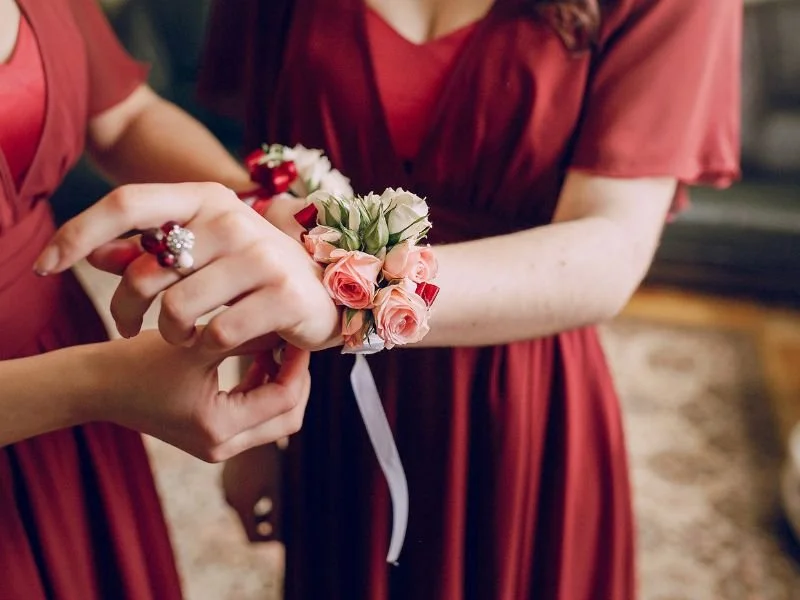
How Much Does a Wedding Florist Cost?
Here’s the big question: how much do wedding flowers cost in 2025?
National Average: Between $2,000 and $3,000
Typical Range: Couples spend anywhere from $500 for simple florals to $7,000+ for luxury weddings
Percentage of Budget: Florals often take up 8–10% of the total wedding budget
Average Costs by Item
Here’s a breakdown of what you might expect:
| Floral Item | Typical Price Range |
|---|---|
| Bridal Bouquet | $195 – $350 |
| Bridesmaid Bouquet | $70 – $150 |
| Boutonnière | $15 – $20 |
| Corsage | $18 – $30 |
| Ceremony Arch / Chuppah | $500 – $5,000+ |
| Aisle Arrangements | $150 – $300 each |
| Low Centerpiece | $145 – $250 |
| Tall Centerpiece | $250 – $550 |
| Head Table Florals | $500+ |
| Cake Florals | $25 – $65+ |
| Delivery & Setup Fees | $75 – $200+ |


Factors That Affect Wedding Flower Costs
1. Location and Region
Big-city weddings (NYC, Miami, LA) typically cost more than rural or suburban areas. Regional demand and availability play a huge role.
2. Seasonality
Peonies in spring = affordable.
Peonies in December = $$$.
Choosing flowers that are in season locally can cut costs significantly.
3. Flower Types
Premium blooms like orchids, garden roses, and calla lilies are more expensive per stem than hydrangeas, carnations, or greenery.
4. Scale and Guest Count
More guests = more tables = more centerpieces. Large installations (arches, hanging florals) can quickly double your floral bill.
5. Labor & Logistics
Florists spend hours processing, prepping, transporting, and setting up flowers. Complex designs with on-site assembly add labor fees.
How to Save Money on Wedding Flowers
Florals can be stunning without breaking the bank. Here are proven ways to trim costs:
Repurpose Ceremony Flowers
Move aisle arrangements or arch flowers to the reception.Use Greenery & Fillers
Eucalyptus, ferns, or baby’s breath can stretch your budget while still looking elegant.Choose In-Season Flowers
Stick to blooms that are grown locally during your wedding month.Focus on One Statement Piece
Invest in a dramatic arch or head-table arrangement, and keep the rest simple.Mix Flowers with Candles/Lanterns
Smaller floral arrangements paired with non-floral décor create impact for less.Limit Varieties
Sticking to 2–3 types of flowers can lower costs and create a cohesive design.


Questions to Ask a Wedding Florist (Free Checklist)
Before you hire a florist, use this list of essential questions to guide your consultation:
Are you available on my wedding date?
Do you have experience with my venue?
What’s included in your packages (delivery, setup, breakdown)?
How do you handle substitutions if flowers are unavailable?
What is your minimum spend requirement?
Can you provide a sample arrangement before the wedding?
Do you carry liability insurance?
How do payments, deposits, and cancellations work?
👉 Download our free Wedding Florist Checklist to take to your meetings.


📥 Free Wedding Florist Checklist
Feeling overwhelmed by timelines and questions to ask? We’ve put everything into one easy-to-use guide. Our Wedding Florist Checklist includes a month-by-month planning timeline and the exact questions you’ll want to ask during consultations. Print it, bring it along, and stay confident every step of the way.
When to Book a Wedding Florist
Ideal Timeline: 9–12 months before the wedding.
At Minimum: Book 6 months out to secure your date.
Pro Tip: Book early if your wedding falls during peak floral seasons (spring/summer).
Final Tips for Hiring a Wedding Florist
Be clear about your must-haves vs nice-to-haves.
Share your color palette and vibe, not exact flowers — let your florist recommend seasonal options.
Ask about mock-ups or sample centerpieces if you’re spending big.
Always read the contract carefully for delivery/setup/breakdown fees.
Flowers may only last a day, but their impact on your wedding’s atmosphere lasts a lifetime. With the right florist, you’ll get arrangements that wow your guests, fit your budget, and make your wedding unforgettable.

Wedding Florist FAQ
-
DIY works for very small or casual weddings, but most couples benefit from a professional florist. They handle design, prep, delivery, setup, and repurposing so your flowers look beautiful all day and last in photos.
-
Most couples spend between $2,000 and $3,000 on florals. Simple setups can be $500, while luxury designs can reach $7,000+. A good rule of thumb is to budget 8–10% of your total wedding spend.
-
Plan to book 9–12 months before your wedding. At minimum, secure your florist 6 months out—earlier for peak spring and summer dates.
-
Your location and market, seasonality, types of flowers, number and scale of arrangements, and guest count all influence cost. Labor, delivery, setup, and breakdown fees also add up.
-
Repurpose ceremony florals at your reception, choose in-season blooms, mix in greenery and candles, focus on one big statement piece, and limit varieties to 2–3 to keep stem costs down.
-
Yes! Many couples reuse aisle arrangements, altar pieces, or arch florals at the bar, entry, head table, or photo backdrop. Just ask your florist and planner to schedule the transfer.
-
A thorough quote should list each floral piece, containers, rentals, delivery, setup and breakdown fees, taxes, and payment schedule. It should also explain substitution policies for seasonal or unavailable blooms.
🌸 Ready to hire your florist?
Grab our free Wedding Florist Checklist to take to consultations.
Check out our other vendor hiring guides: How to Hire a DJ | How to Hire a Wedding Planner.
Want transparent pricing for music + entertainment? Get a QUICK Quote.
💡 Don’t forget: our Wedding Florist Checklist makes consultations simple and stress-free. Download it free here before you book your florist.