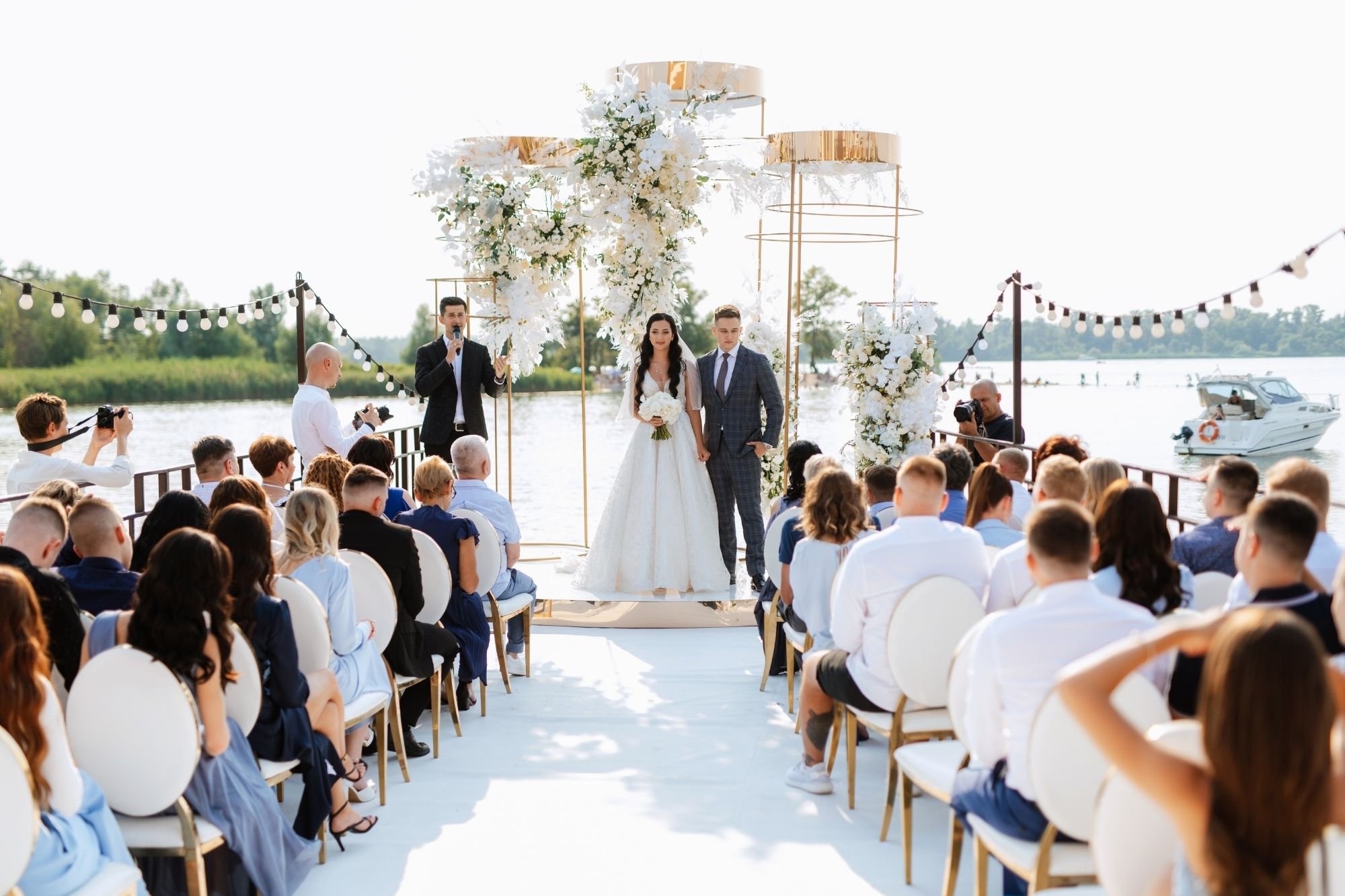
How to Choose a Wedding Officiant (Costs, Questions, Legal & Scripts)
What Officiants Really Do (and What Couples Forget)
Your officiant sets the tone, paces the moment, and-critically-handles the legal part. This guide helps you choose the right person (professional, clergy, celebrant, or friend), avoid common pitfalls, and walk away with copy‑and‑paste questions, a mini legal explainer, and ceremony scripts you can use today.
Coming soon: The Complete Wedding Planning Guide
We’re finalizing a free Wedding Planning Guide that consolidates all the “How to Hire” checklists for officiants, DJs, venues, photographers, and more, along with templates, emails, and planning tools to keep everything organised. If you’re reading this after it’s live, you’ll see a link here to download it for free.
Officiant Options (At a Glance)
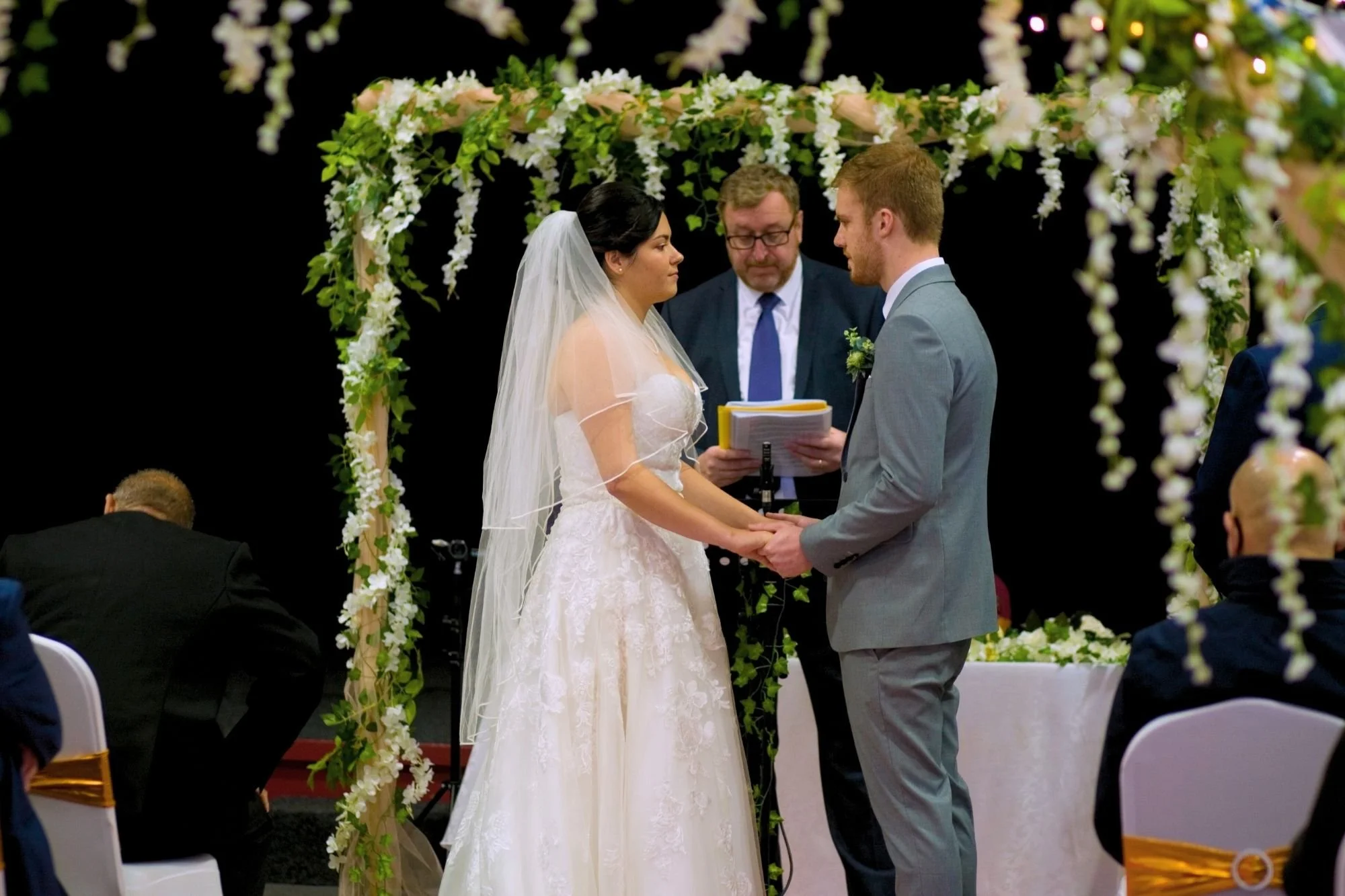
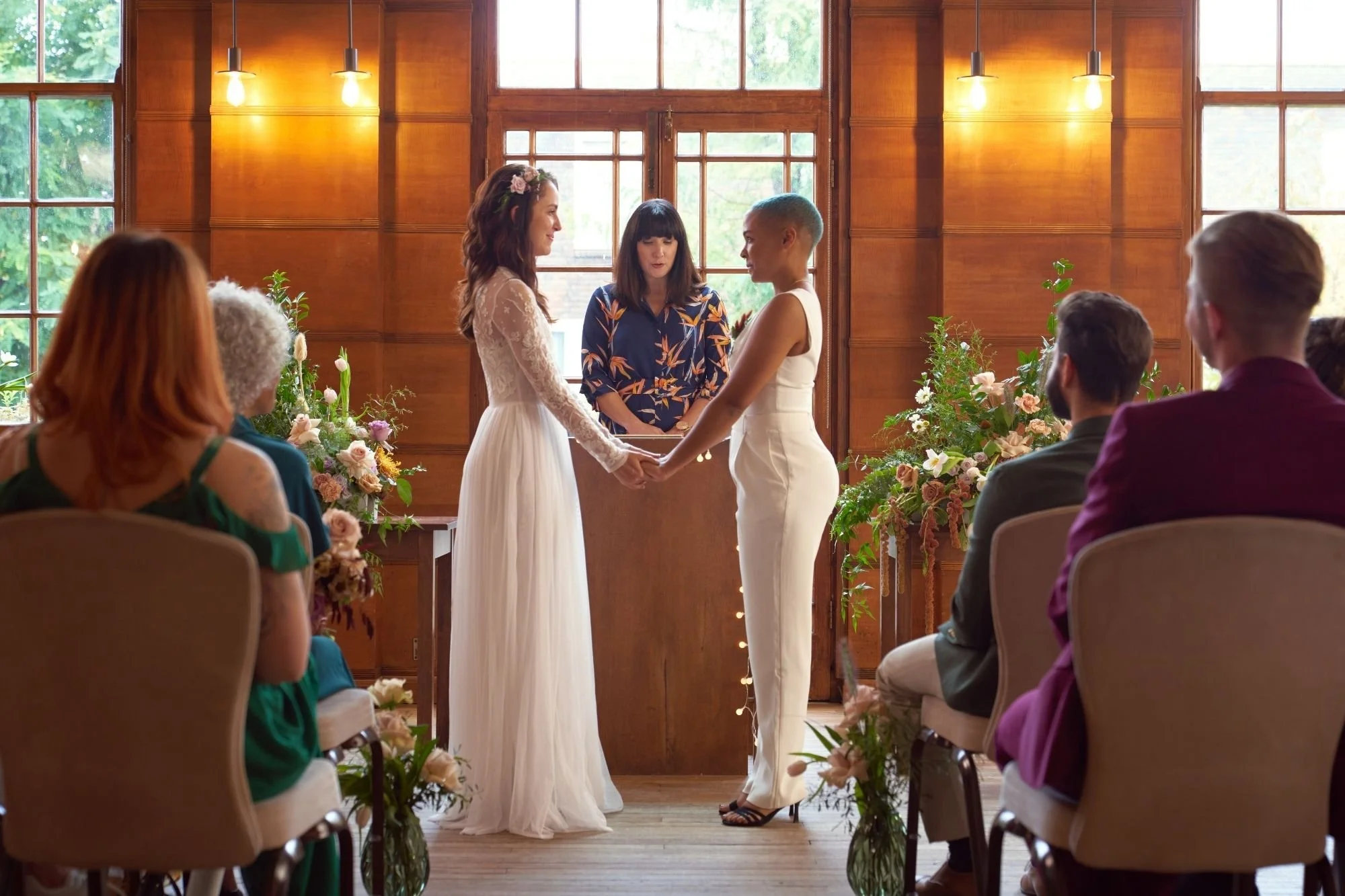
Professional Officiant (Secular/Non‑Denominational): Customizable tone, experienced with pacing and audio, often files license.
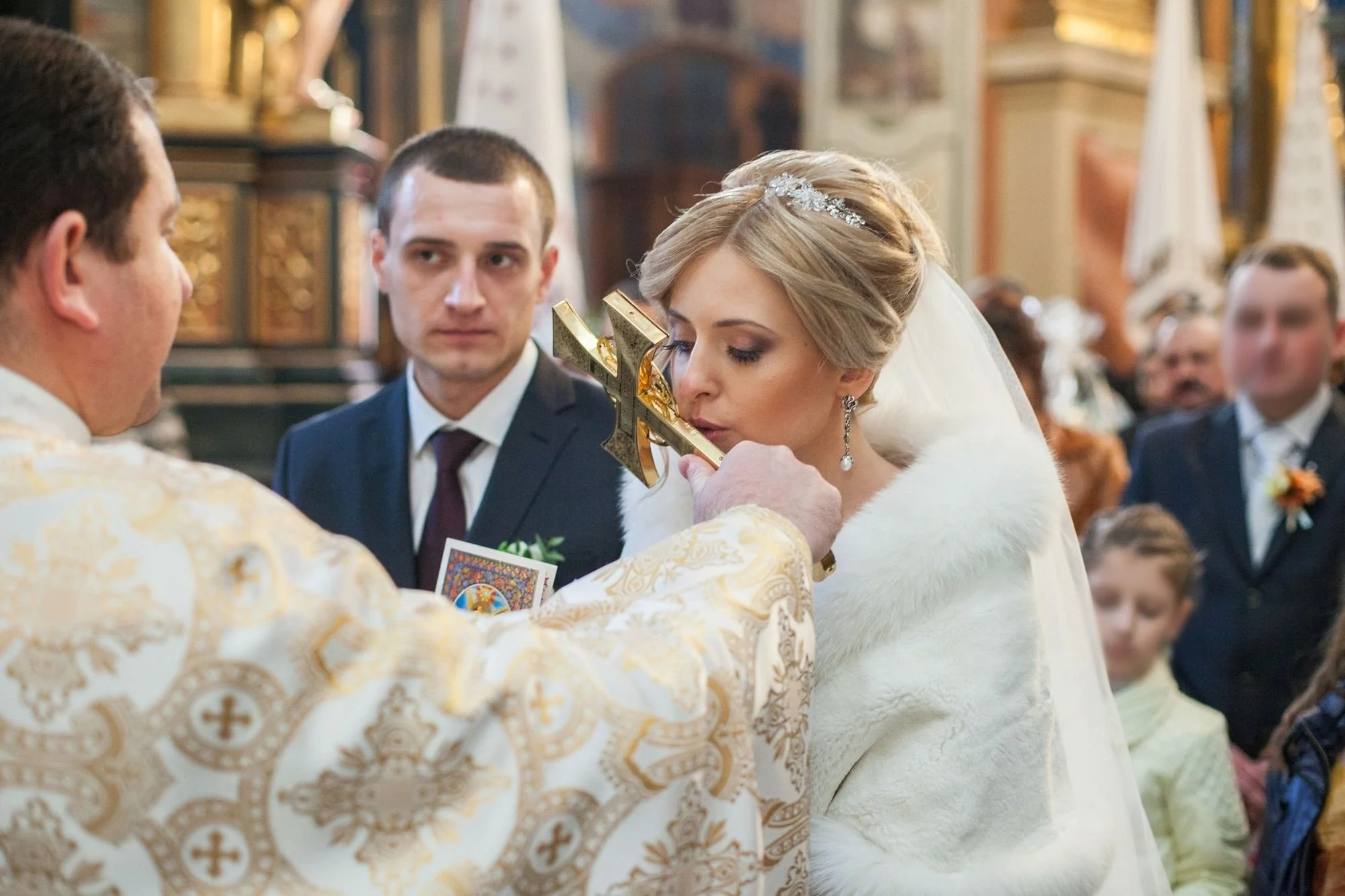
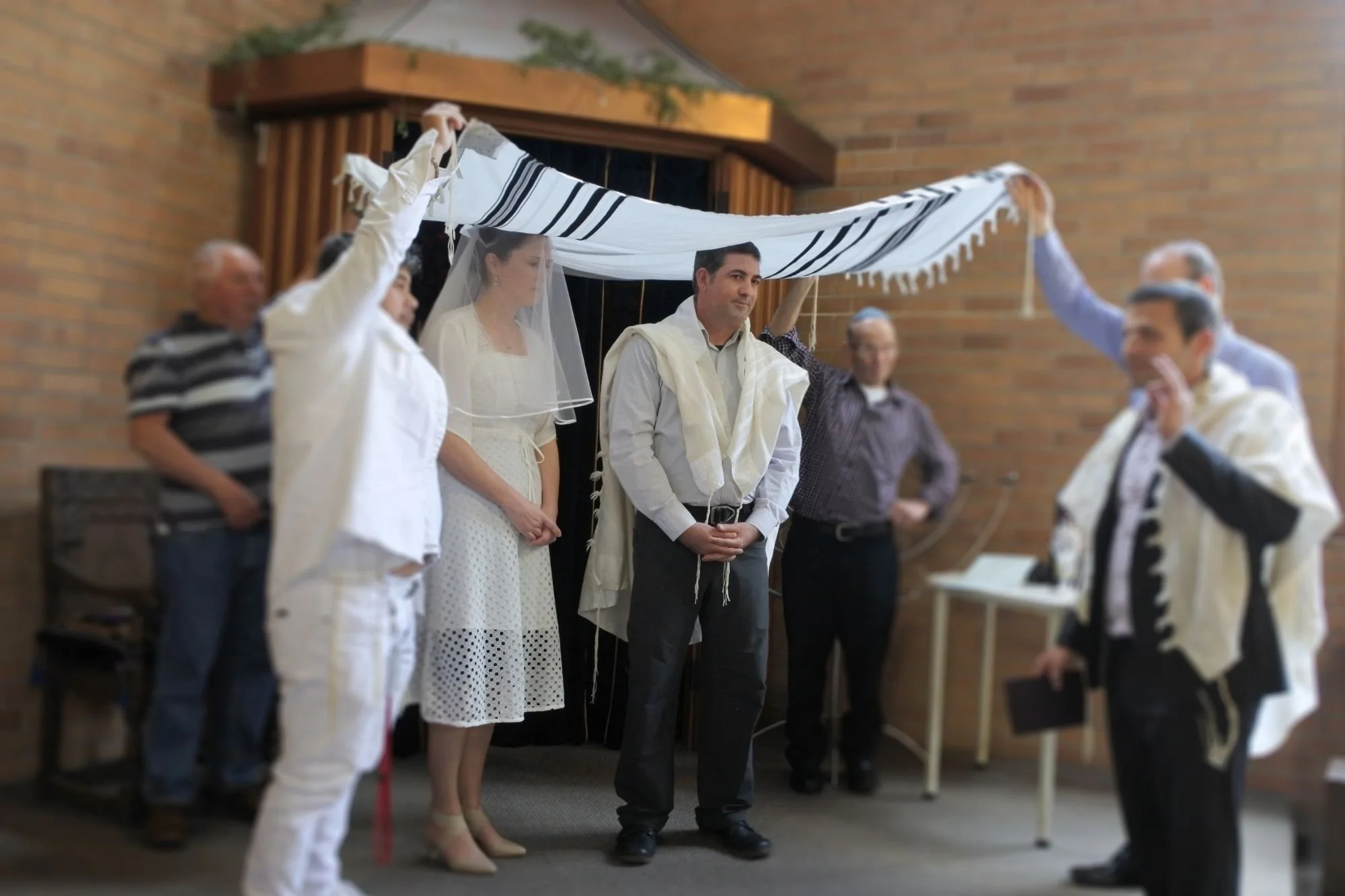
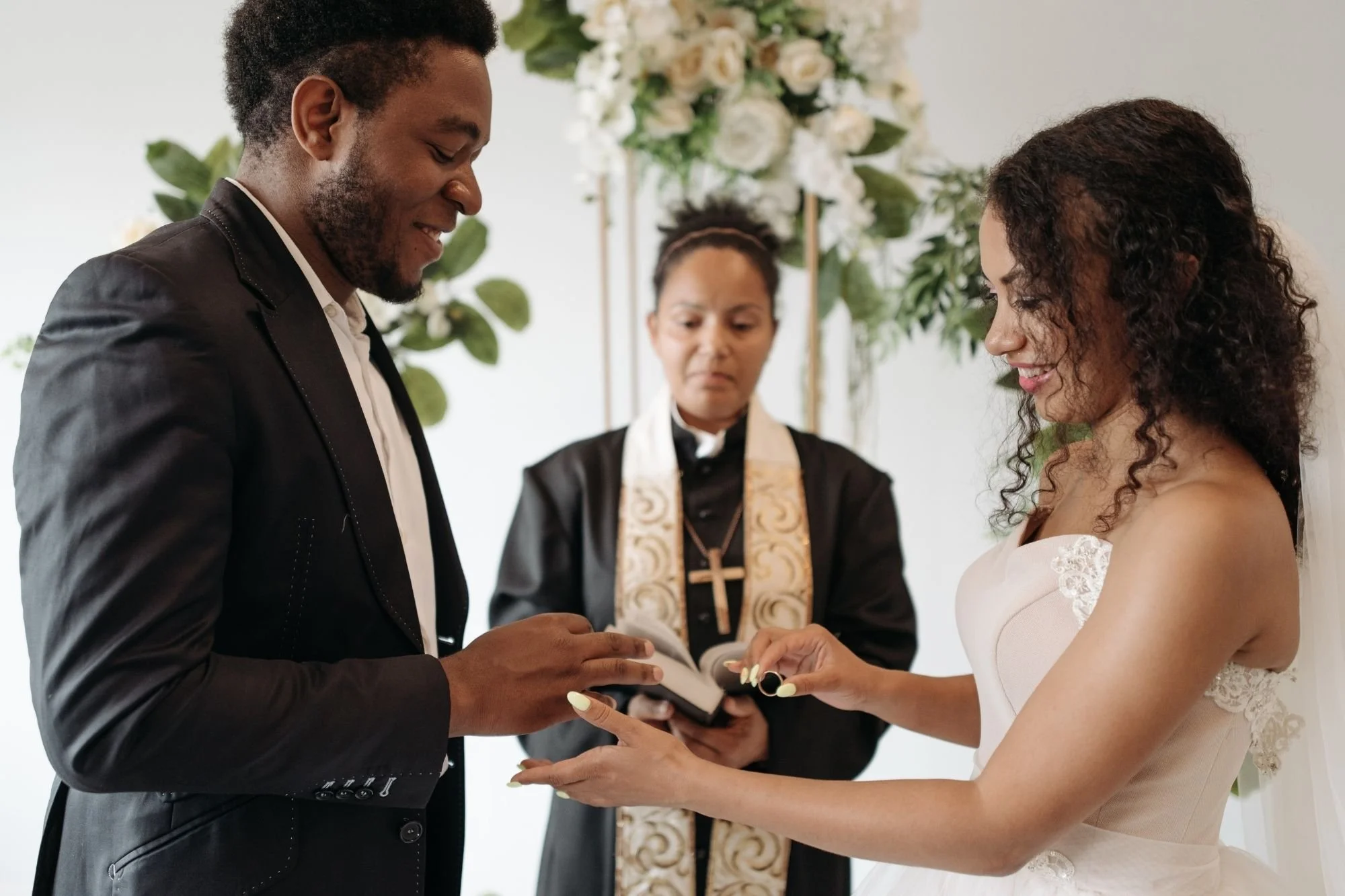
Clergy/Faith‑Based: Fits religious ceremonies; follows faith traditions; ask about venue rules.
Celebrant (Certified): Deeply personalized storytelling; often higher prep time and fee.
Friend/Family (Ordained for the Day): Most personal; requires coaching and a rehearsal; confirm legality.
Courthouse and Reception Blessing: A fast legal ceremony followed by a personal moment.
2‑Minute Officiant Picker (Quiz)
Find Your Best Officiant (2-Minute Picker)
Next: copy the Interview Questions and download the Ceremony Script Pack.
Download the Officiant Hiring Checklist
Get our printable Officiant Hiring Checklist (part of the free Perfect Wedding Planning Guide & Planner) so you can bring your questions, notes, and top picks to every meeting.
Questions to Ask
Availability & Fit
• Are you available on [date/time]? Do you attend the rehearsal?
• What ceremony tones do you do (secular, lightly religious, interfaith, LGBTQ+ inclusive)?
Script & Process
• Who writes the script? Can we review and edit?
• Can we include readings, vows, cultural elements, or a unity ritual?
Logistics & Audio
• Do you bring a mic or coordinate with our DJ?
• What is your arrival time? What do you wear?
Legal
• Who files the marriage license and by when?
• What do you need from us (IDs, witnesses, county, waiting period)?
Contract & Fees
• Total fee and what’s included (rehearsal, travel, script customization)?
• Deposit, balance due, cancellation/reschedule policy.

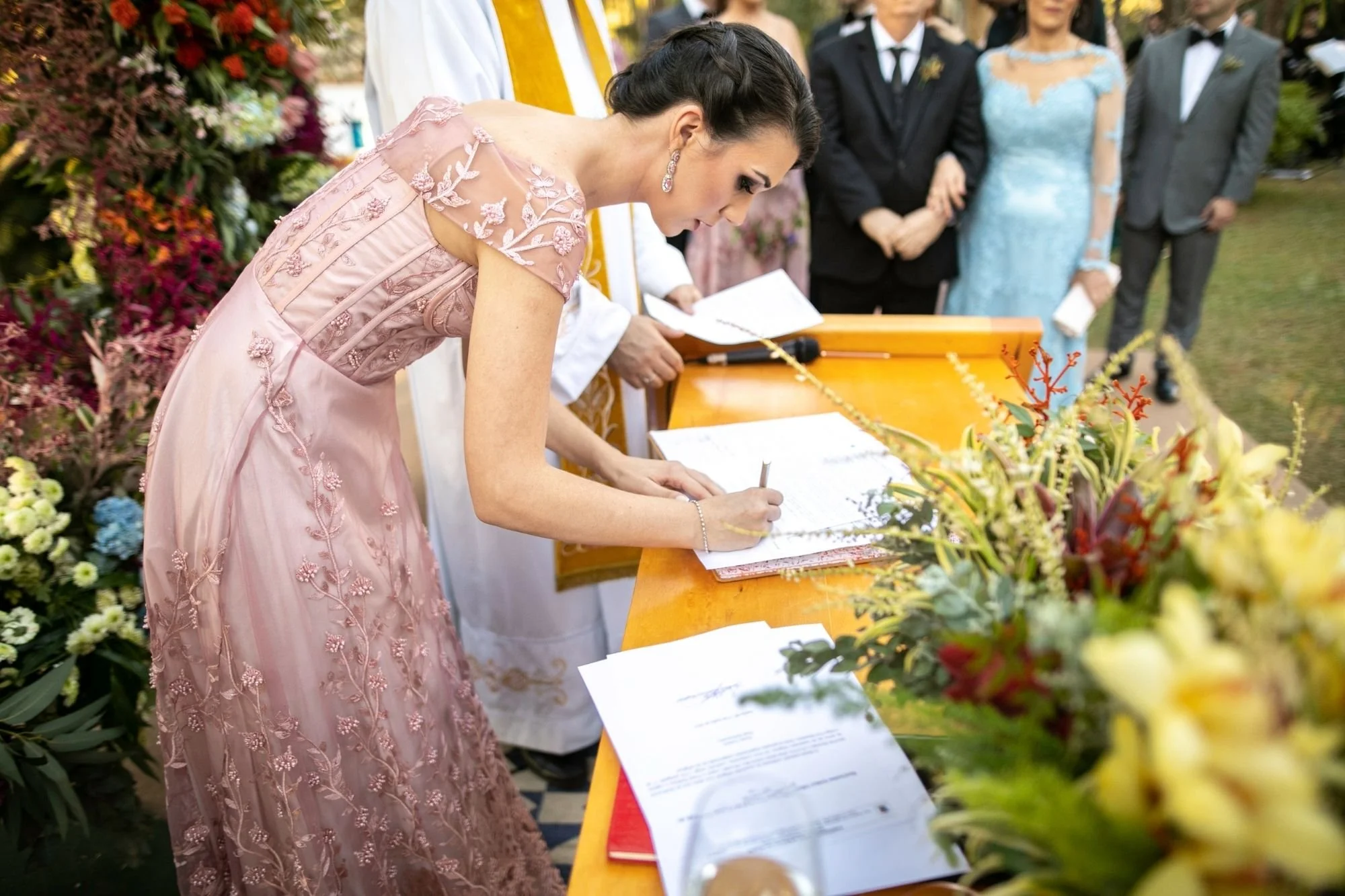
Friend vs Pro
Professional: clear pacing & mic skills, backup plans, license handled, experience with tricky spaces.
Friend/Family: personal touch and storytelling; risks: license errors, sound issues, timeline drift.
Mitigate the risk of choosing a friend: share the mini script, rehearse, have your DJ mic them with a lapel, and assign a licensed buddy.
Next steps (and a free planning shortcut)
If you are still early in the planning process, your officiant choice will connect to many other pieces- timeline, readings, music, even how your venue sets up the space.
Here’s what I recommend you do next:
Download the free Perfect Wedding Planning Guide & Planner. You’ll get all of our “How to Hire” checklists (including officiant), vendor email templates, and a simple workbook to keep everything in one place.
Share the Officiant Hiring Checklist with your partner. Compare what matters most to each of you—tone, faith elements, storytelling, legal details—before you meet with anyone.
Still looking for a venue? You can browse real wedding venues (not just pay-to-play listings) on our sister site Vow Venue, and then come back here to plan the rest of your dream day.


Timeline & Rehearsal Plan
When to Book: Start outreach 4–6 months before, book 3–5 months out.
Rehearsal (30–45 min): line‑up, walk, mic check, cues (vows, rings), recessional timing.
Week‑Of: print scripts; confirm license filing plan; share day‑of contacts (officiant/DJ/planner).