
Creating a Wedding Day Timeline for a 4 pm Ceremony: Tips and Tricks
A wedding day timeline is an essential part of planning a wedding. It helps to ensure that everything runs smoothly and on schedule. For couples planning a 4 pm ceremony, having a well-planned timeline is especially important. This is because a 4 pm ceremony time can be tricky to work around, leaving little room for error.
When planning a wedding day timeline for a 4 pm ceremony, it's essential to consider all aspects of the day. This includes the ceremony itself, as well as the cocktail hour, reception, and any photography sessions. A well-planned timeline will help ensure enough time for everything without feeling rushed or stressed.
Many examples are available online for couples struggling to create a wedding day timeline for their 4 pm ceremony. These examples can be a useful starting point, providing a framework to work from. However, it's important to remember that every wedding is unique, and the timeline should be tailored to fit the couple's specific needs and preferences.
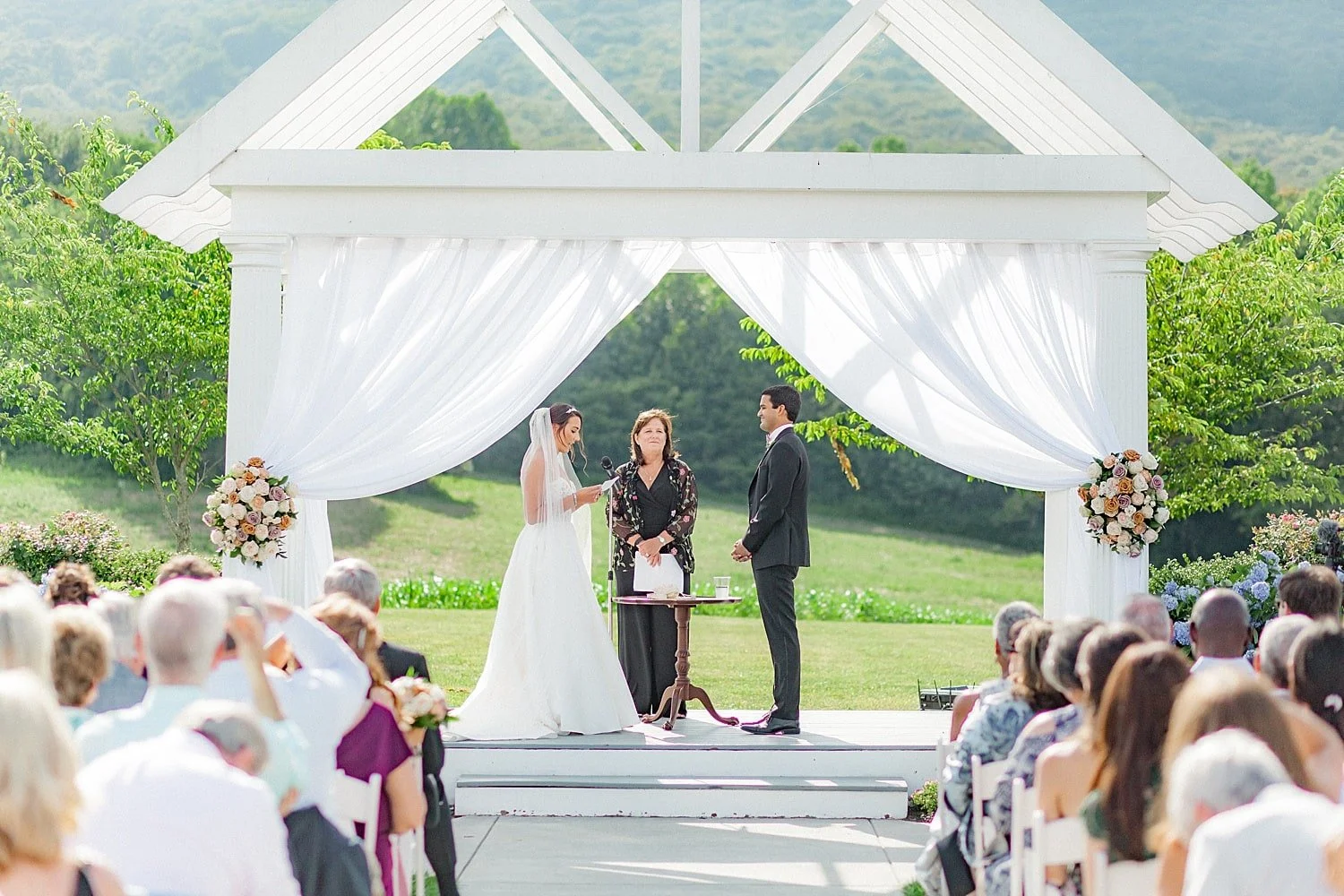
Why a Wedding Day Timeline is Important
A wedding day timeline is a crucial element of any wedding planning. It ensures the day runs smoothly and everyone knows what they should be doing and when. Without a timeline, the day can quickly become disorganized, and important moments may be missed. Here are some reasons why a wedding day timeline is so important:
Ensuring a Smooth Flow
A wedding day timeline helps to ensure that the day flows smoothly. It outlines the order of events so everyone knows what is happening and when. This can help to reduce stress and anxiety, as everyone knows what to expect. It also ensures enough time for each event without rushing or delays.
A timeline can help keep everyone on the same page, including vendors, family members, and the wedding party. This can help to avoid confusion and ensure that everyone is where they need to be when they need to be there.
Maximizing Time with Guests
Another benefit of having a wedding day timeline is that it can help to maximize time with guests. By planning the day in advance, couples can ensure they have enough time to spend with their guests. This can be especially important for couples with many out-of-town guests or having a destination wedding.
By having a clear timeline, couples can ensure that their guests are well taken care of and have a great time at the wedding. Having a timeline can also help ensure that guests are not left waiting for long periods. This can be especially important for guests who have traveled a long distance to attend the wedding.
In conclusion, a wedding day timeline is essential to any wedding planning. It helps ensure that the day runs smoothly and everyone knows what they should be doing and when. With a timeline, couples can maximize time with their guests and ensure everyone has a great time at the wedding.

Planning Your Wedding Day Timeline
Planning a wedding can be daunting, and creating a timeline for the big day is an essential part of the process. A well-planned timeline can help ensure everything runs smoothly and the day is as stress-free as possible. Here are some factors to consider when creating a wedding day timeline:
Factors to Consider
Sunset Time: One of the most important factors to consider when planning a wedding day timeline is the sunset time. This will help determine the best time to take photos and when the ceremony should begin. It's important to consider the time of year and the wedding location for an accurate sunset time.
Location: The location of the wedding can also impact the timeline. For example, if the ceremony and reception are at different venues, there will need to be enough time for transportation between the two locations. It's also important to consider the size of the venue and how long it will take to set up and decorate.
Type of Ceremony: The type of ceremony can also impact the timeline. For example, a religious ceremony may take longer than a secular ceremony, and there may be specific requirements or traditions that need to be taken into account.
Creating a Template
Once the factors have been considered, creating a wedding day timeline template is time. This can be done using a spreadsheet or a specialized wedding planning tool. Here are some elements to include in the template:
Ceremony start time
Time for pre-ceremony photos
Ceremony length
Time for post-ceremony photos
Time for transportation between venues (if necessary)
Reception start time
Dinner start time
Speeches/toasts
Dancing start time
Cake cutting
End time
It's essential to build in some buffer time to account for any unexpected delays or issues that may arise. It's also a good idea to share the timeline with crucial wedding party members and vendors to ensure everyone is on the same page.
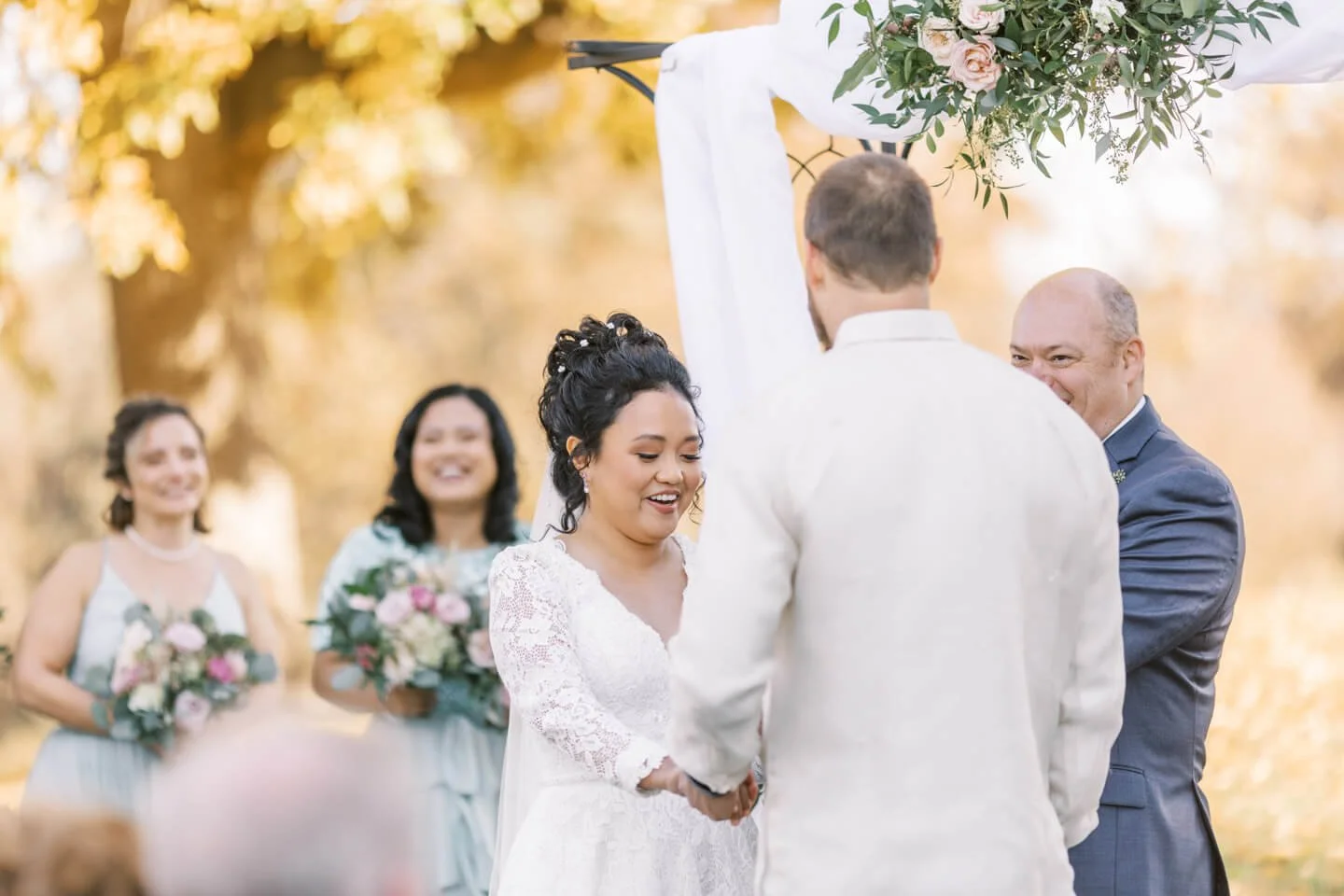
The 4 pm Ceremony
A 4 pm ceremony is a popular choice for couples who want to have an early evening wedding. It's a great time of day for an outdoor ceremony, especially during the summer when the weather is warm and sunny. Here are some essential sub-sections to consider when planning a 4 pm ceremony:
Ceremony Start Time
The ceremony start time for a 4 pm ceremony is, of course, 4 pm. It's important to note that most ceremonies begin five to ten minutes after the time listed on the invitation, so guests should be advised to arrive a few minutes early. The ceremony typically lasts around 30 minutes and the processional starts at 4 pm.
First Look
A first look is an excellent option for couples who want to see each other before the ceremony. This is a private moment between the couple where they see each other for the first time before the ceremony begins. It's a great way to calm nerves and get beautiful photos before the ceremony. The first look usually takes place around 2-3 hours before the ceremony.
Bridal Party and Family Photos
After the ceremony, it's time for a bridal party and family photos. This is an excellent opportunity to capture beautiful memories with your loved ones. It's essential to have a list of the photos you want to take and to designate someone to help gather everyone together for the photos. Bridal party and family photos usually take around 30-45 minutes.
Cocktail Hour
While the bridal party and family take photos, guests can enjoy cocktail hour. Cocktail hour usually lasts around one hour, giving the bridal party and family plenty of time for photos. This is a great time for guests to mingle, enjoy drinks and hors d'oeuvres, and enjoy the beautiful scenery.

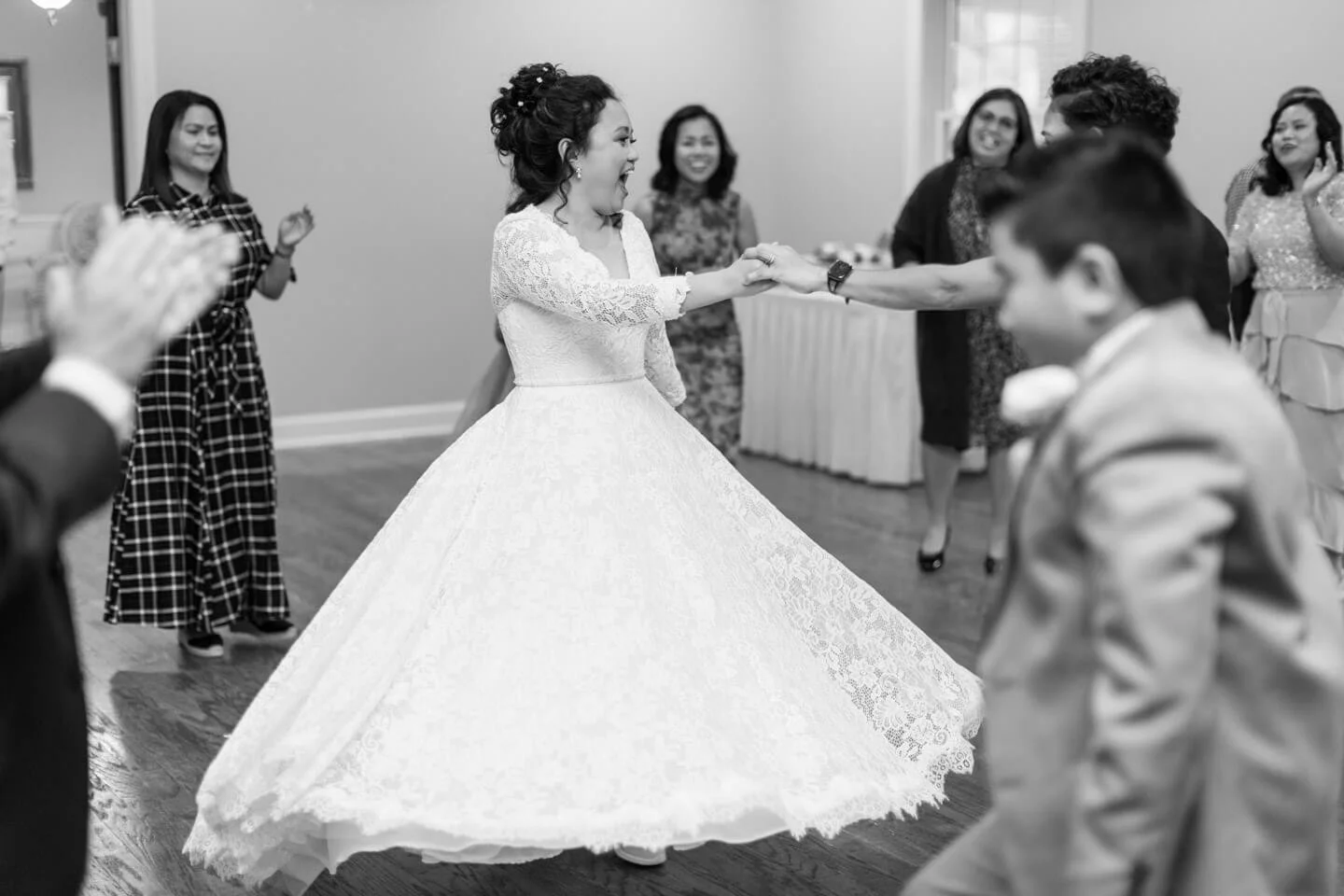
The Reception Timeline
After the ceremony, it's time to celebrate! The reception timeline is just as important as the ceremony timeline, and it's essential to plan it out in advance to ensure a smooth and enjoyable evening for everyone.
Grand Entrance
The grand entrance is the first official introduction of the newlyweds as a married couple. The DJ or emcee will typically announce the wedding party as they enter the reception venue. The newlyweds will be introduced last and then sit at the head table.
Dinner and Toasts
Once everyone is seated, it's time for dinner. Depending on the guest list size, dinner can take anywhere from 45 minutes to an hour and a half. During dinner, it's common for the best man and maid of honor to give their toasts. Coordinating with the DJ or emcee is essential to ensure that the toasts happen appropriately during dinner.
First Dance and Open Dance
After dinner and toasts, it's time for the first dance. The newlyweds will share their first dance as a married couple and invite their guests to join them on the dance floor. The open dance portion of the evening can last for several hours, and it's essential to have a variety of music to keep guests of all ages entertained.


Cutting the Cake and Bouquet Toss
Traditionally, the cake cutting and bouquet toss happens later in the evening. The DJ or emcee will announce when it's time for the cake-cutting, and then the newlyweds will share a piece. After the cake cutting, it's time for the bouquet toss. The bride will toss her bouquet to a group of single women, and the groom will toss the garter to a group of single men.
Parent Dances
Parent dances are a special moment for the newlyweds and their parents. The bride will dance with her father, and the groom will dance with his mother. It's essential to choose a meaningful song for the newlyweds and their parents.
Last Song and Grand Exit
The last song of the evening is a great way to bring everyone together for one final dance before the night ends. After the last song, it's time for the grand exit. The newlyweds will make their way through a tunnel of their guests and then depart the reception venue.
Tips for a Smooth Wedding Day Timeline
Hiring a Wedding Planner
Hiring a wedding planner is one of the best ways to ensure a smooth wedding day timeline. A wedding planner can help you create a realistic timeline and keep everything on track throughout the day. They can also handle unexpected issues, allowing you to relax and enjoy your special day.
Communicating with Vendors
Clear communication with your vendors is critical to a successful wedding day timeline. Discuss timing and logistics with each vendor before the wedding day. Confirm arrival times, set-up and break-down times, and other essential details. It's also a good idea to provide vendors with a detailed timeline to know when they are expected to be on-site and what is expected of them.
Sticking to the Timeline
One of the biggest challenges of a wedding day timeline is sticking to it. It's essential to build in some extra time for unexpected delays or mishaps and be strict about staying on schedule. Communicate the timeline with your wedding party and family so everyone knows the schedule. Consider appointing a trusted friend or family member to keep everyone on track throughout the day.
Another way to ensure you stick to the timeline is to build buffer time between events. For example, if your ceremony is at 4 pm, plan to have your photographer start taking photos at 3 pm. This gives you some wiggle room if the ceremony runs a few minutes late or photos take longer than expected.
Finally, don't hesitate to delegate tasks to trusted friends or family members. Assign someone to be in charge of transporting decorations, someone to be in charge of making sure everyone is ready for photos, and someone to be in charge of keeping track of time throughout the day.
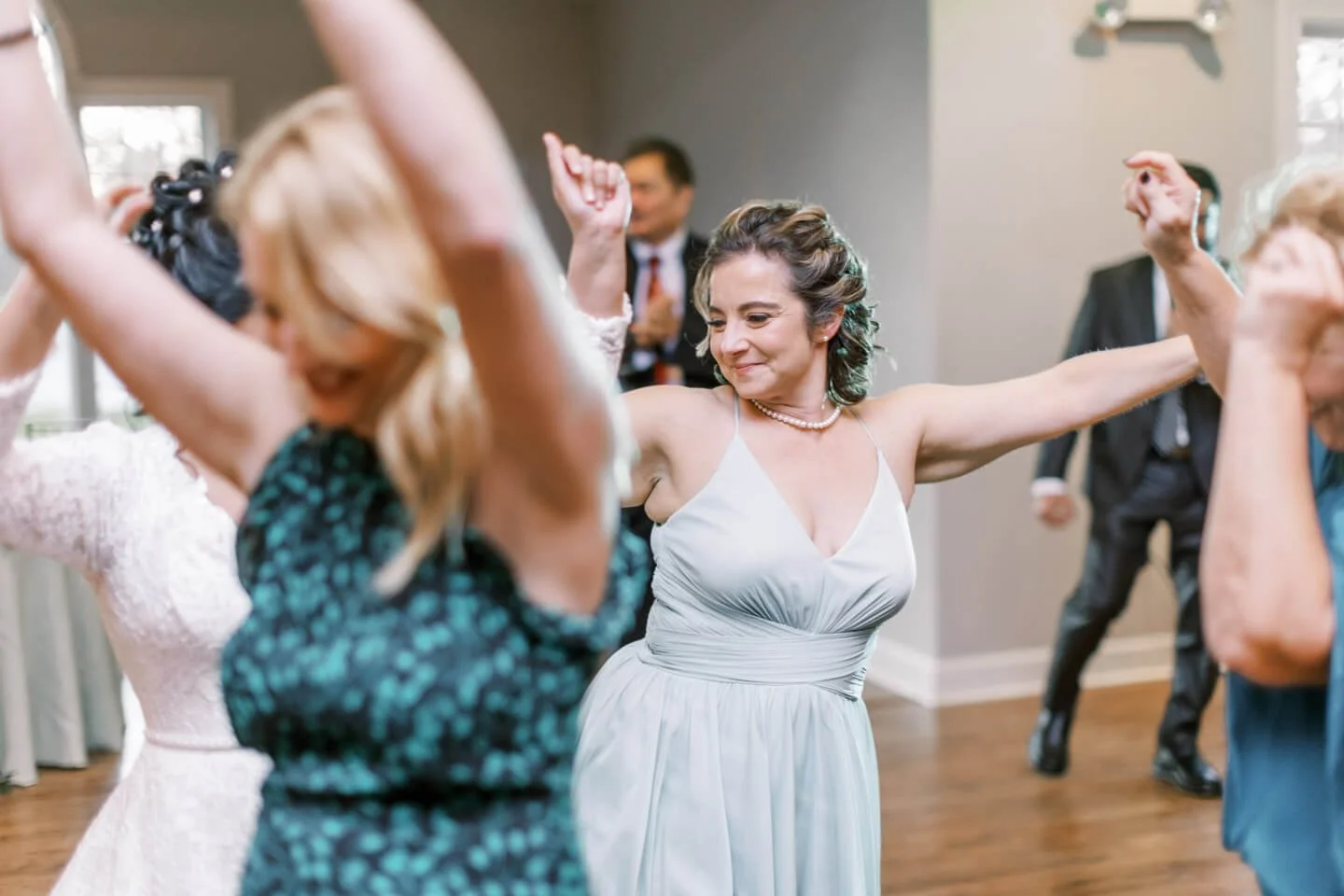
Your Getting Ready Timeline
Based on a 4 pm ceremony with a first look, and assuming that you and your wedding party will be getting ready at the exact location as the ceremony and reception, here's a possible timeline to consider:
9:00 am - 12:00 pm: Bridal party hair and makeup
12:00 pm - 12:30 pm: Bride gets dressed
12:30 pm - 1:00 pm: Bride's pre-wedding photos
1:00 pm - 1:30 pm: Groom gets dressed
1:30 pm - 2:00 pm: Groom's pre-wedding photos
2:00 pm - 2:30 pm: First look and couple's photos
2:30 pm - 3:30 pm: Wedding party and family photos
3:30 pm - 4:00 pm: Final touch-ups and getting ready for the ceremony
4:00 pm - 4:30 pm: Ceremony
4:30 pm - 5:00 pm: Cocktail hour
5:00 pm - 6:00 pm: Reception introductions and dinner
6:00 pm - 9:00 pm: Dancing, speeches, and other reception activities
Of course, this timeline is just a suggestion, and you should adjust it based on your specific needs and preferences. Communicate with your vendors and wedding party to ensure everyone is on the same page and that everything runs smoothly on the big day.
Conclusion
Planning a wedding day timeline for a 4 pm ceremony can be intimidating, but it can be a breeze with the proper guidelines. A practical wedding timeline should start with the ceremony and work around it. This means setting aside around thirty minutes before the ceremony for guests and the bridal crew to arrive at the venue.
It's important to remember that every wedding is unique, and the timeline may vary depending on many things, from the ceremony's start time to whether you do photos longer or shorter than other couples. Feel free to adjust yours as needed and use the sample guides provided by experts.
Downloadable wedding day timeline templates can be a great starting point for creating your timeline. Customizing your timeline to fit your specific needs and preferences and communicating it clearly with your vendors and wedding party is essential.
A well-planned wedding day timeline can help ensure your special day runs smoothly and stress-free. With some planning and organization, you can create a timeline that works for you and enjoy a memorable wedding day.